
Introduction
A court case is initiated when a legal dispute is brought before a judicial authority. It can involve civil, criminal, or administrative matters. Understanding the types, processes, and outcomes of court cases is essential for individuals, businesses, and legal professionals.

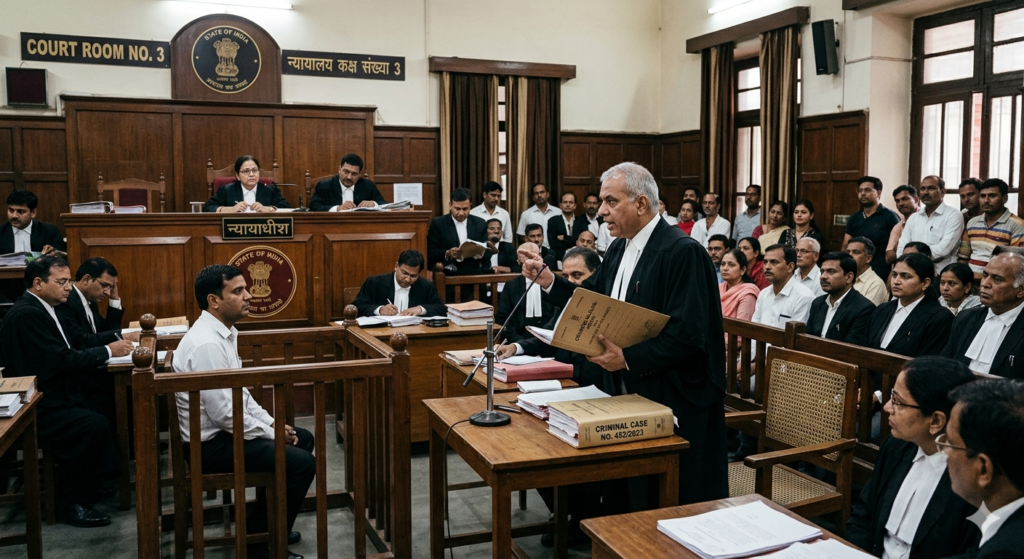
Types of Court Cases
2.1 Civil Cases
Civil cases involve disputes between individuals, organizations, or entities over rights, obligations, or property.
Examples:
Property disputes
Contractual disagreements
Divorce and matrimonial matters
Personal injury claims
2.2 Criminal Cases
Criminal cases involve acts considered offenses against society, prosecuted by the state.
Examples:
Theft, fraud, or burglary
Assault or homicide
Cybercrime
Drug-related offenses
2.3 Commercial & Corporate Cases
Disputes involving companies, shareholders, or business contracts
Intellectual property infringement cases (patents, trademarks)
Insolvency and bankruptcy proceedings
2.4 Family & Matrimonial Cases
Divorce, child custody, and maintenance claims
Domestic violence cases
Pre- and post-marriage disputes
2.5 Administrative & Regulatory Cases
Cases involving government regulations, licenses, or permits
Tax disputes and regulatory compliance issues
Stages of a Court Case
3.1 Filing a Case
Initiating a lawsuit through a petition or complaint
Submitting required documents, evidence, and legal fees
3.2 Notice and Summons
The opposing party is notified about the case
A summons is issued to appear in court
3.3 Pleadings
Both parties submit statements of claims and defenses
Legal arguments and documentation are presented
3.4 Evidence and Examination
Submission of documentary, testimonial, and expert evidence
Witness examination and cross-examination
3.5 Hearings and Arguments
Lawyers present their case before the judge
Oral arguments, submissions, and clarifications are made
3.6 Judgment and Order
Court delivers its decision based on evidence and legal principles
Orders may include compensation, penalties, or directives
3.7 Appeal and Review
Parties may challenge the decision in a higher court
Appellate or review processes can modify, uphold, or overturn the verdict
Importance of Court Cases
Upholds Rule of Law: Ensures justice and equality
Dispute Resolution: Provides legal resolution for conflicts
Deterrence: Penalizes unlawful behavior to prevent recurrence
Precedent: Establishes legal principles for future cases
Protection of Rights: Safeguards individual, corporate, and societal rights
Challenges in Court Cases
Lengthy legal proceedings and delays
Complexity of legal procedures and documentation
High legal costs
Limited access to legal resources for some individuals
Risk of biased judgments or lack of enforcement
Court Case Management and Verification
Court case verification is crucial for businesses, investigators, and individuals to:
Check the involvement of a person or company in legal disputes
Assess potential risks in business transactions
Gather information for employee, debtor, or partner background checks
Support legal proceedings with verified data
Methods of Court Case Verification:
Reviewing official court records and judgments
Accessing online legal databases and portals
Engaging professional legal and investigative services
Conclusion
Court cases are essential instruments for maintaining justice, resolving disputes, and upholding legal and societal norms. Proper understanding, tracking, and verification of court cases help individuals and organizations protect their rights, assess risks, and ensure compliance with the law.